Ear Wax Removal Melbourne: Check the Cause Before Treatment
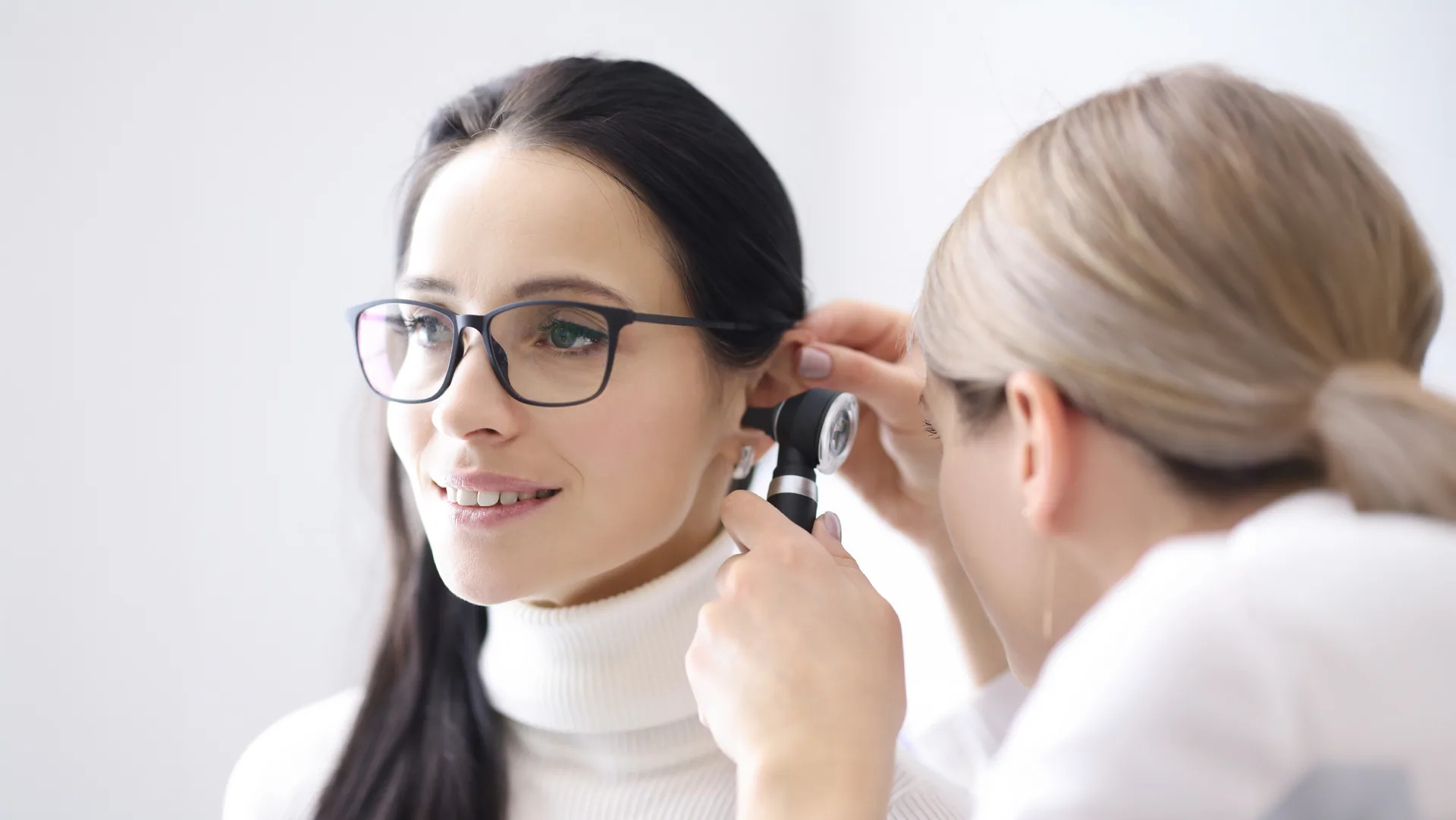
Ear wax removal Melbourne care should begin by checking whether wax explains the problem. A full or blocked feeling, reduced hearing and discomfort can have several causes. Looking inside the ear helps determine whether removal is appropriate and which approach may be suitable.
Tell the clinician when symptoms started, whether one or both ears are affected and whether there is pain, discharge or dizziness. Sudden hearing loss needs urgent medical assessment, even when it feels like a blockage. Do not wait for a routine wax appointment.
Consider the next step.
When is wax removal in Melbourne worth discussing?
Wax removal in Melbourne is worth discussing when wax appears to contribute to symptoms or prevents a necessary examination or test. Ear wax, also called cerumen, normally protects the ear canal. Its presence alone does not mean it needs to be removed.
The useful first question is whether the findings match the symptoms. Wax may be present while another problem also affects hearing. Removing it cannot be assumed to resolve every blocked sensation or listening difficulty.
Melbourne ear wax removal after an ear examination
Melbourne ear wax removal should follow an assessment of the canal and relevant history. Mention previous ear surgery, an eardrum perforation, a history of infections or a reaction to earlier treatment. These details can affect which method is appropriate.
Removal of ear wax when you use a hearing aid
Removal of ear wax may be discussed when wax affects hearing aid use or obstructs an assessment. Bring the device and describe the change you notice. A device problem and a change in the ear can require different responses.
Blocked ear assessment: avoid assuming the cause
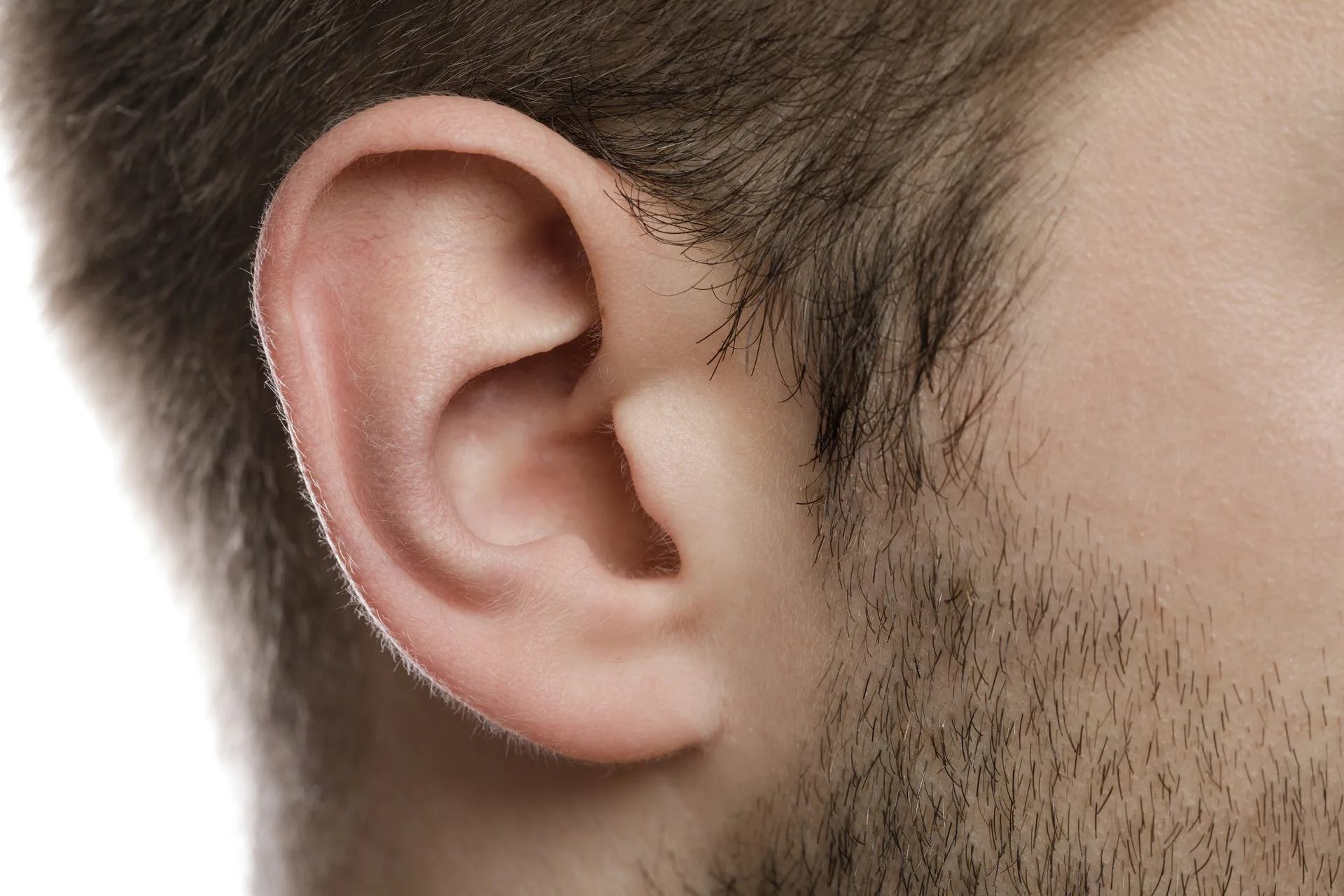
Blocked ear assessment considers the ear canal, eardrum and symptom history. Infection, middle-ear fluid and inner-ear hearing loss can sometimes be described as fullness or blockage. A person cannot reliably distinguish all of these by sensation alone.
If the change was sudden, seek urgent medical assessment rather than trying a series of home treatments. Pain, discharge, bleeding or marked dizziness should also be reported. Describe any recent injury or object inserted into the ear.
The ear infection guide and hearing loss guide explain related concerns. They do not establish the diagnosis for your own symptoms.
Wax removal methods: choose according to the ear and history
Wax removal methods can include softening treatment, manual removal, microsuction or irrigation when appropriate. Each has limitations and potential risks. Availability depends on the provider, and this page does not guarantee a particular method.
Ask why one approach is preferred for your ear, what you may feel and what would make the clinician stop or change the plan. A method that was suitable previously may not be appropriate if the eardrum, canal or symptoms have changed.
Do not assume that suction is risk-free or that flushing is suitable for every ear. Discomfort, dizziness, canal injury and other complications should be discussed in relation to the proposed treatment and your history.
Ear drops: ask whether softening is suitable for you
Ear drops may be advised to soften wax before removal or help manage selected cases. The choice and instructions should suit your ear history. Check with a clinician or pharmacist if there is pain, discharge, a suspected perforation or previous ear surgery.
Do not put an unapproved liquid into the ear because a home remedy sounds natural. If drops are recommended, follow the actual product and clinical instructions. Stop and seek advice if treatment causes concerning symptoms.
Healthdirect explains ear wax and management considerations. It also describes why unnecessary attempts to clean inside the ear can create problems.
Ear canal care: avoid pushing wax further inside
Ear canal care generally means avoiding objects inserted into the canal. Cotton buds can push wax inward or injure the skin and eardrum. Ear candles are not a safe way to establish or treat the cause of a blocked ear.
Tell the clinician if you have used an object or product and symptoms changed afterwards. Accurate information helps assessment; there is no need to hide an unsuccessful attempt at self-treatment.
If blockage recurs, ask whether there is a reason it happens and what follow-up is appropriate. Routine removal at a fixed interval is not automatically needed for everyone.
Hearing changes after treatment: check what has improved
Hearing changes should be reviewed if they remain after wax is removed. The clinician may need to reassess the ear or recommend a hearing test. Persistent symptoms should not simply be attributed to wax that is no longer present.
Report new pain, discharge, bleeding, significant dizziness or worsening hearing after treatment. Ask which symptoms require prompt attention and how to contact the treating service. Follow any individual advice about water exposure or ear care.
The hearing test guide explains how testing may contribute when the reason for a hearing concern remains unclear.
Questions about removal of ear wax
Does blocked ear assessment always find wax?+
Blocked ear assessment does not always find wax as the cause. Infection, middle-ear problems and hearing loss may need to be considered.
Are all wax removal methods equally suitable?+
Wax removal methods are not equally suitable for every ear. Previous surgery, eardrum problems, symptoms and examination findings can affect the choice.
Should I use ear drops before the appointment?+
Ear drops should be used before the appointment only when they are appropriate for your history and you have suitable instructions. Ask the receiving service or a clinician if you are unsure.
Is ear canal care the same as cleaning with cotton buds?+
Ear canal care does not mean inserting cotton buds into the canal. This can push wax deeper or cause injury.
Do hearing changes always improve when wax is removed?+
Hearing changes do not always resolve with wax removal. If symptoms persist, ask whether another cause needs assessment or hearing testing.
Is Melbourne ear wax removal appropriate for sudden hearing loss?+
Melbourne ear wax removal should not delay urgent medical assessment of sudden hearing loss. A blocked feeling does not establish that wax is responsible.
Can wax removal in Melbourne be uncomfortable?+
Wax removal in Melbourne can cause discomfort or other symptoms depending on the method and ear condition. Tell the clinician immediately if you experience pain or dizziness during treatment.
Does removal of ear wax need regular repeat appointments?+
Removal of ear wax does not automatically require regular repeat appointments. Ask whether recurrence, symptoms or hearing aid use make a review plan appropriate for you.
Plan wax removal in Melbourne after checking the ear
Plan wax removal in Melbourne by explaining the symptom history and relevant ear treatment. Confirm the assessment, method, fees and aftercare with the service providing care.
Start with a conversation.
Send a non-urgent enquiry about arranging a visit. Keep detailed health information and medical records for your consultation.
- 01
Tell us what brings you here
Choose an area of care and leave your contact details.
- 02
Confirm the practical details
Check the location, appointment fee and referral requirements with the practice.
- 03
Prepare for your consultation
Bring relevant reports, medicines and the questions you want to ask.