Rhinoplasty Melbourne: Clarify Shape, Breathing and Realistic Goals
Rhinoplasty Melbourne decisions should begin with what you want changed and why. A concern about appearance, a breathing problem and a change after injury can overlap, but they need to be assessed distinctly. The proposed operation should have a clear purpose for each goal.
An individual assessment considers the nose’s structure, skin, airway and relationship to the face. It also considers expectations and the limits of surgery. No website description or image can guarantee a particular result for your anatomy.
Read the nasal surgery cost guide · Prepare for a consultation
Consider the next step.
What should rhinoplasty in Melbourne aim to achieve?
Rhinoplasty in Melbourne should aim for agreed, realistic changes supported by the assessment. Explain the features that concern you in your own words and identify whether breathing is also a priority. Ask how the plan addresses each issue.
The discussion should include what may remain unchanged, the possibility of asymmetry and the chance that further treatment could be needed. A technically possible change is not automatically appropriate for every person or every expectation.
Melbourne rhinoplasty and a clear description of the goal
Melbourne rhinoplasty consultations are helped by a clear description of the concern rather than a request to reproduce another person’s nose. Different bone, cartilage, skin and facial proportions affect what is possible. Images can support discussion without predicting an identical outcome.
Nasal reshaping surgery and the decision to wait
Nasal reshaping surgery is a significant decision that does not need to be made under pressure. Ask about reasonable alternatives, the implications of waiting and whether the proposed goals are achievable. If uncertainty remains, seek clarification before consenting.

Nasal shape: discuss the specific feature and its limits
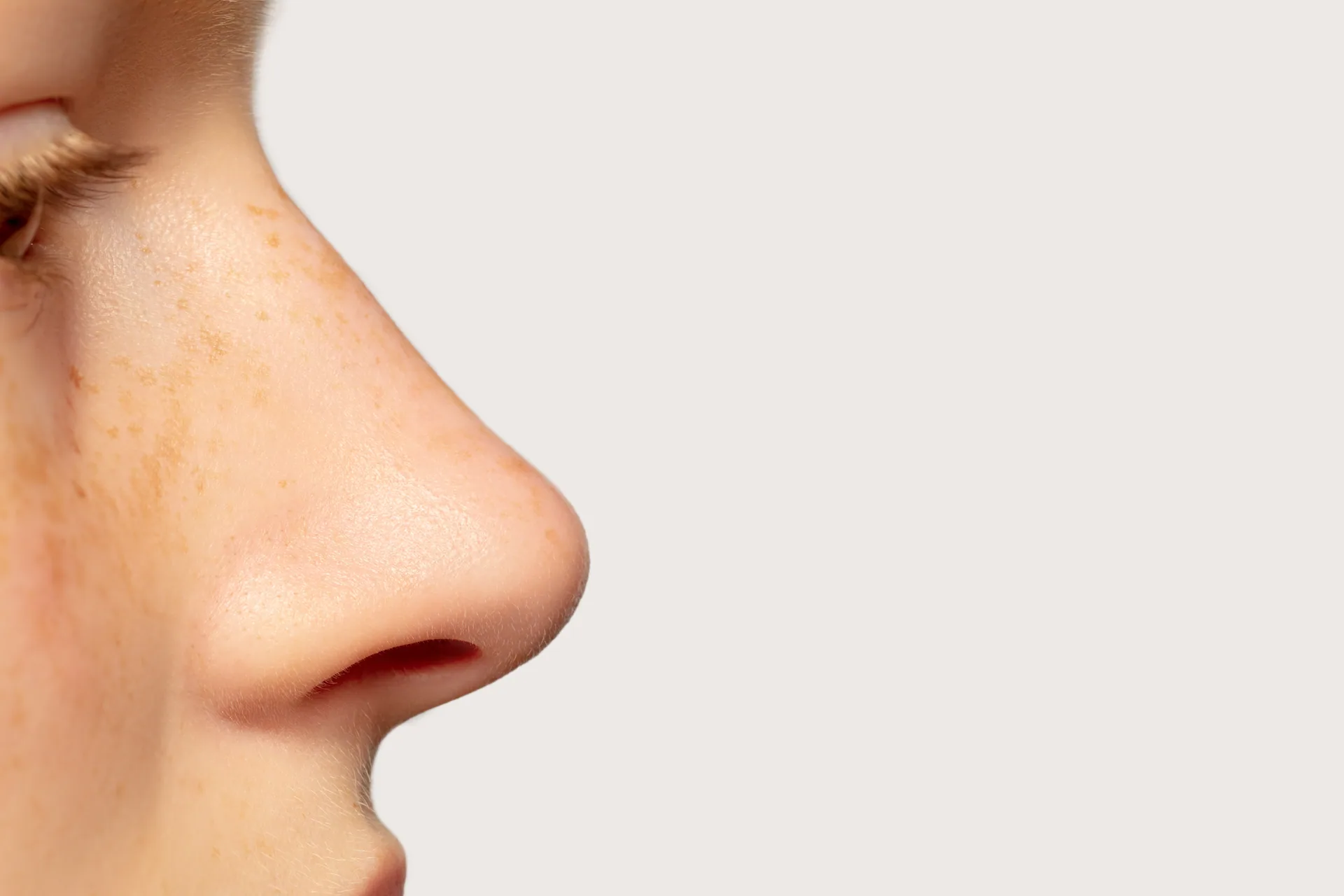
Nasal shape can involve the bridge, tip, width, profile or symmetry. Tell the clinician which feature matters most and whether it has changed with injury or previous surgery. The examination helps determine which structures contribute.
Skin thickness and the underlying framework can limit how a change appears. Ask where a scar may be visible, whether irregularities may remain and what asymmetry could persist. Perfect symmetry is not a realistic promise.
Photographs may form part of clinical documentation and planning. Ask how they will be used and stored. A simulated image, if offered by a provider, is a discussion aid rather than a guaranteed surgical result.
Breathing function: assess the airway separately
Breathing function needs assessment rather than being inferred from external appearance. A septal deviation, nasal valve problem, turbinate enlargement or inflammation may contribute. More than one factor can affect airflow.
The nasal obstruction guide explains the wider assessment. Septoplasty addresses the septum and is different from changing external shape, although procedures may be combined when justified.
Ask which breathing symptom the proposal is expected to improve and whether medical treatment remains important. Reshaping the nose does not cure allergy or guarantee control of sleep apnoea.
Realistic expectations: connect the plan with daily priorities
Realistic expectations include the likely benefits, limitations and uncertainty of the result. Explain how much the concern affects you and what outcome would make treatment worthwhile. The clinician should discuss whether the proposed change is a reasonable way to address that concern.
Previous surgery or injury can make planning more complex. Revision procedures may involve different limitations from a first operation. Ask whether the history changes the risks, available tissue or expected recovery.
No patient result or before-and-after image can establish what will happen in your case. This site does not present illustrative photographs as treatment outcomes.
Surgical planning: understand the approach and associated procedures
Surgical planning should describe which structures will be changed and why. The surgeon can explain the proposed access, work on bone or cartilage, any grafting and whether another procedure is included.
Ask about the general anaesthetic, admission, splints or dressings and the material risks. These can include bleeding, infection, breathing difficulties, altered sensation, scarring, asymmetry, dissatisfaction and the possibility of revision. The relevant risks depend on the proposed operation and your circumstances.
Healthdirect explains nasal reshaping and its considerations. Your surgeon should explain how general information relates to the actual plan before consent.
Rhinoplasty recovery: allow for healing and changing swelling
Rhinoplasty recovery can involve swelling, bruising, temporary blockage and activity restrictions. The course varies with the procedure and the individual. Ask when early review occurs and when it is reasonable to assess the developing result.
The final appearance should not be judged immediately after treatment. Swelling can change over an extended period. Follow the treating team’s instructions about nasal care, exercise, glasses where relevant, work and protection from injury.
Ask how to obtain help for bleeding, infection, breathing problems or a concerning change. The patient information guide supports preparation but does not replace your own postoperative instructions.
Costs and the purpose of rhinoplasty in Melbourne
Costs of rhinoplasty in Melbourne need to be explained according to the proposed scope and whether components are cosmetic or medically indicated. One functional component does not establish cover for the whole operation.
Request separate estimates from the surgeon, hospital and anaesthetist, and check applicable benefits directly. The rhinoplasty cost guide helps you compare inclusions without assuming a rebate or inventing a package price.
Financial arrangements should support a considered choice. They do not establish that the operation is appropriate or that a desired appearance can be guaranteed.
Questions about nasal reshaping surgery
Can nasal shape be made identical to a reference photo?+
Nasal shape cannot be guaranteed to match a reference photo. Your anatomy, skin and facial proportions affect what is achievable.
Does changing appearance automatically improve breathing function?+
Breathing function does not automatically improve when appearance changes. The airway needs assessment and a plan directed at the structures contributing to obstruction.
What do realistic expectations include?+
Realistic expectations include likely changes, limitations, possible complications and the chance of further treatment. Ask which outcomes cannot be promised for your anatomy.
Does surgical planning include the risks of revision?+
Surgical planning should include the possibility of revision or persistent concerns. Ask how previous surgery affects the proposal if you have already had an operation.
Is rhinoplasty recovery complete when bruising settles?+
Rhinoplasty recovery is not necessarily complete when bruising settles. Internal healing and swelling can continue, and the clinician should explain when to assess progress.
Can Melbourne rhinoplasty include septoplasty?+
Melbourne rhinoplasty may include septoplasty when both have a clear clinical purpose. Ask why each component is proposed and how its risks and charges are described.
Does rhinoplasty in Melbourne always attract Medicare benefits?+
Rhinoplasty in Melbourne does not always attract Medicare benefits. Cosmetic and medically indicated components have different considerations that must be checked individually.
Can I decide on nasal reshaping surgery from a website alone?+
Nasal reshaping surgery cannot be responsibly selected from a website alone. Individual examination and discussion of goals, risks and alternatives are needed.
Discuss rhinoplasty in Melbourne with a clear purpose
Discuss rhinoplasty in Melbourne by separating appearance and breathing goals, bringing relevant history and asking about the limits of the proposed plan. Take time to understand recovery and costs before deciding.
Start with a conversation.
Send a non-urgent enquiry about arranging a visit. Keep detailed health information and medical records for your consultation.
- 01
Tell us what brings you here
Choose an area of care and leave your contact details.
- 02
Confirm the practical details
Check the location, appointment fee and referral requirements with the practice.
- 03
Prepare for your consultation
Bring relevant reports, medicines and the questions you want to ask.