Nasendoscopy: Understand What the Examination Is Meant to Show
Nasendoscopy uses a thin flexible scope passed through a nostril to view relevant areas of the nose and throat. Depending on the clinical question, it can help the clinician assess structures including the larynx and vocal folds while you are awake.
Ask why the examination is recommended and which question it may answer. Looking at these structures is not the same as examining the whole food pipe or stomach. The findings need to be interpreted alongside your symptoms and other information.

Consider the next step.
Why might flexible nasendoscopy be recommended?
Flexible nasendoscopy may be recommended to investigate persistent voice, throat or nasal symptoms, or to assess an area not clearly visible through a routine mouth examination. The clinician should explain how the view could contribute to the assessment.
The procedure does not establish every possible cause of a symptom. A normal-looking area may still leave questions requiring another test or professional opinion. Ask what the examination can clarify and what it cannot rule out.
Nasal scope examination for voice changes
A nasal scope examination can help view the larynx and vocal fold movement when a voice concern needs assessment. You may be asked to make sounds or perform a simple task while the clinician observes. The instructions depend on the purpose of the examination.
Examination with a flexible scope for throat symptoms
Examination with a flexible scope may contribute to assessment of throat or swallowing symptoms. It does not replace every swallowing test or an investigation of the oesophagus. Ask how the proposed view fits the particular problem you describe.
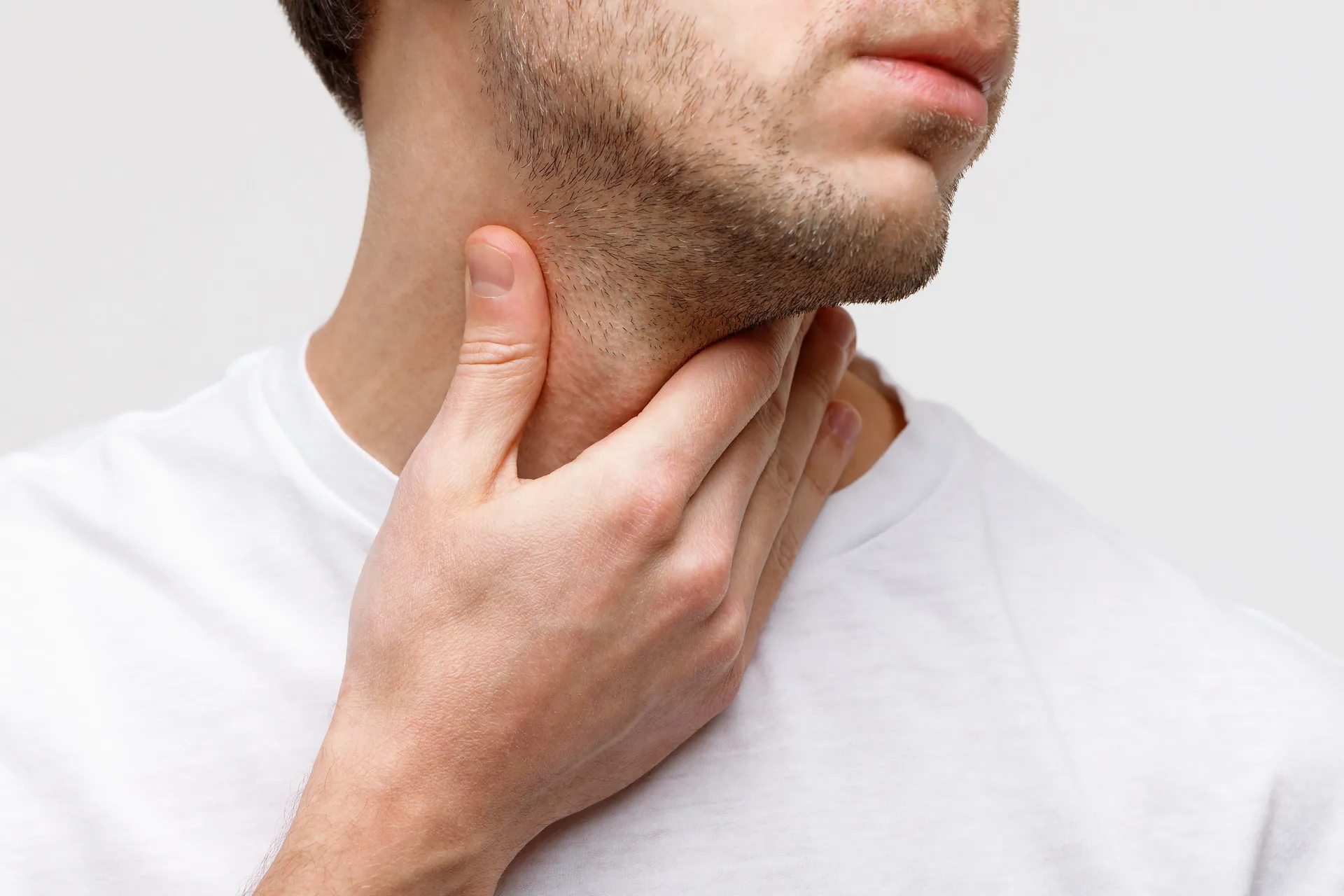
Scope preparation: confirm what applies to your appointment
Scope preparation should follow the receiving service’s instructions. Tell the clinician about relevant medicines, allergies, bleeding problems and previous difficulties with nasal procedures. Ask whether any specific preparation is required for the planned examination.
A routine awake examination is different from a procedure involving sedation or another intervention. Do not assume the fasting or transport rules are identical. Equally, do not stop medicines or fast unnecessarily based on another patient’s experience.
If you have significant anxiety, a sensitive gag reflex or communication needs, explain this before starting. You can ask how the procedure will be introduced and how to signal if you need a pause.
Flexible scope examination: what may happen during the visit?
A flexible scope examination commonly takes place while you are sitting and awake. The clinician passes the scope through the nose to obtain the relevant view. Sensations can include pressure, watering eyes, a desire to swallow or discomfort.
The experience varies. It should not be described as guaranteed painless, and you should tell the clinician if it becomes difficult. They can explain whether a pause, adjustment or another approach is appropriate.
Consent includes understanding the reason, the expected experience and relevant risks. Ask whether the examination will be recorded and how any images are stored or used.
Local anaesthetic spray: ask about numbness and drinking
Local anaesthetic spray may be used in some circumstances, sometimes with another nasal preparation. Tell the clinician about allergies and earlier reactions. The service can explain whether spray is appropriate for the examination planned.
If the throat becomes numb, follow the individual instructions about eating and drinking afterwards. Do not assume you can drink immediately or use a fixed waiting period from another webpage.
Ask what effects may occur and when to seek advice if something feels unexpected. The clinician should explain how the spray changes preparation or aftercare for your own visit.
Examination findings: connect the view with the next decision
Examination findings may show inflammation, a structural change, vocal fold movement or another feature relevant to the symptoms. The clinician should explain what was seen and how certain the interpretation is.
Ask whether the findings establish the diagnosis or only narrow the possibilities. A suspected lesion may need a different examination, imaging or biopsy. A routine scope examination does not automatically include taking a tissue sample.
The guides to voice disorders, swallowing difficulties and nasal obstruction explain related assessment questions without assuming one finding explains every symptom.
Risks and limits to discuss before the examination
Risks and limits should be explained in relation to your history and the procedure. Discomfort, gagging, irritation or a minor nosebleed can occur. Tell the clinician about a known nasal problem or bleeding tendency before starting.
The scope provides a view of particular structures at that examination. It is not a complete test of all swallowing function, every cause of cough or the entire digestive tract. Further assessment may still be appropriate when symptoms persist.
Guy’s and St Thomas’ explains the flexible examination of the larynx. Your treating service should confirm the actual arrangements, risks and instructions for your appointment.
Aftercare advice: clarify what happens when you leave
Aftercare advice depends on whether spray or another intervention was used and how the examination went. Ask about eating, drinking, usual activities and what symptoms should prompt contact with the service.
Significant bleeding, breathing difficulty or another severe reaction requires urgent medical care. Call 000 for an emergency. A routine website enquiry cannot assess or monitor a complication.
Confirm the next step before leaving: whether the result is final, another test is planned or a review is needed. Ask who arranges the next appointment and who will explain any later results.
Questions about a nasal scope examination
Does scope preparation always involve fasting?+
Scope preparation does not always involve the same fasting rules. Confirm the instructions for the examination actually planned, especially if sedation or another procedure is involved.
Is a flexible scope examination guaranteed to be painless?+
A flexible scope examination is not guaranteed to be painless. Tell the clinician about discomfort, anxiety or the need to pause so the procedure can be discussed appropriately.
Will local anaesthetic spray always be used?+
Local anaesthetic spray is not necessarily used for every examination. The clinician can explain whether it is appropriate and any instructions that follow.
Do examination findings always provide a complete diagnosis?+
Examination findings do not always provide a complete diagnosis. They may need to be considered with other tests, symptoms and follow-up.
Does aftercare advice include when I can drink?+
Aftercare advice should include when you can drink if spray or another intervention affects swallowing sensation. Follow the instructions given for your own examination.
Is flexible nasendoscopy a test of the whole stomach?+
Flexible nasendoscopy is not a test of the whole stomach. It views relevant nasal and throat structures, and another investigation may be needed for the food pipe or stomach.
Does examination with a flexible scope include a biopsy?+
Examination with a flexible scope does not automatically include a biopsy. Ask whether tissue sampling is proposed separately and what it involves.
Can nasendoscopy be discussed during a first visit?+
Nasendoscopy may be discussed during a first visit when the clinical question supports it. Confirm the arrangements and any additional charges with the treating service.
Prepare for nasendoscopy with the question in focus
Prepare for nasendoscopy by asking what the clinician wants to see, what the examination involves and how the findings will guide care. Bring relevant history and clarify the next step before leaving.
Read first appointment preparation · Review the enquiry section
Start with a conversation.
Send a non-urgent enquiry about arranging a visit. Keep detailed health information and medical records for your consultation.
- 01
Tell us what brings you here
Choose an area of care and leave your contact details.
- 02
Confirm the practical details
Check the location, appointment fee and referral requirements with the practice.
- 03
Prepare for your consultation
Bring relevant reports, medicines and the questions you want to ask.