Thyroid Surgery: Understand the Reason, Extent and Aftercare
Thyroid surgery may be recommended for selected nodules, enlargement, overactivity or cancer-related concerns. The reason for operating and the amount of tissue removed affect the risks and the care needed afterwards. Ask for both parts of the plan to be explained.
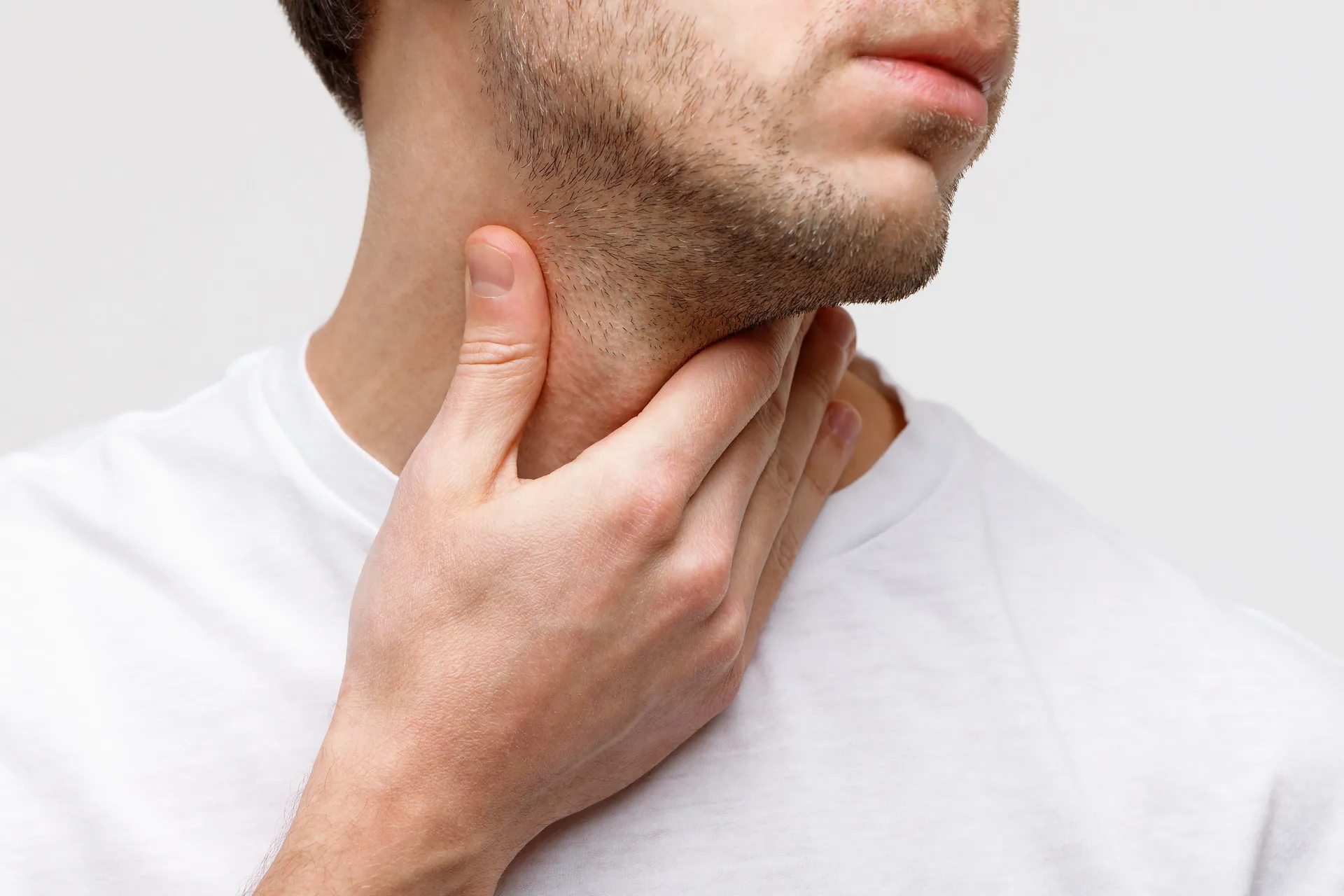
The thyroid is a gland in the front of the neck that produces hormones involved in the body’s metabolism. Normal hormone blood tests do not, by themselves, establish the nature of a thyroid lump. Assessment may involve ultrasound, biopsy and other relevant information.
Consider the next step.
When might thyroidectomy be considered?
Thyroidectomy may be considered when the diagnosis, symptoms or risk assessment supports removing part or all of the gland. Some people are assessed because of pressure symptoms; others because a nodule needs further evaluation or treatment.
Not every nodule needs an operation. Ask what the investigations show, what remains uncertain and why surgery is preferred over observation or another reasonable option. The discussion should reflect your findings rather than a general fear of thyroid lumps.
Operation on the thyroid when the diagnosis remains uncertain
An operation on the thyroid may sometimes be recommended to obtain information that earlier testing cannot fully establish. Ask what the operation is expected to clarify and how the final pathology could affect further treatment.
Thyroid removal surgery and the extent of treatment
Thyroid removal surgery should have a clearly described extent. Ask whether one side or the whole gland is proposed, why that scope is appropriate and whether later treatment might still be needed. More extensive surgery is not automatically the right choice for every condition.
Thyroid nodules: interpret the tests together
Thyroid nodules are assessed using the history, examination and relevant investigations. Ultrasound describes features of the gland and lump, while biopsy can provide information about sampled cells. These tests answer different questions.
Ask how the findings have been interpreted together. A blood test showing normal thyroid function does not exclude a clinically important nodule, and a lump does not automatically mean cancer.
Read the thyroid nodule guide for questions about monitoring and investigation. Bring the actual reports to avoid a decision based only on a brief verbal summary.
Partial thyroid removal: ask about the remaining gland
Partial thyroid removal usually refers to removing part of the gland, often one lobe. The remaining tissue may continue producing sufficient hormone, but function needs to be assessed rather than assumed.
Ask how the operation fits the suspected diagnosis, what follow-up blood tests are planned and whether hormone treatment might still be required. If the final result changes the diagnosis, ask whether another discussion about treatment would follow.
The choice should balance the reason for surgery with the consequences of the proposed extent. It is reasonable to ask why a smaller or larger operation is not being recommended.
Total thyroid removal: plan for lifelong replacement
Total thyroid removal means removing the whole thyroid gland and requires ongoing thyroid hormone replacement. The treating team should explain who prescribes it, how the dose is monitored and when follow-up testing will occur.
The operation can also affect nearby parathyroid glands, which help regulate calcium. Ask whether calcium will be checked, which symptoms should be reported and whether temporary or longer-term treatment may be needed.
Do not change medicines or supplements by assumption. Your own prescription and monitoring plan should guide treatment after discharge.
Voice changes: discuss nerves and personal voice needs
Voice changes are an important risk to discuss because nerves involved in voice lie close to the thyroid. The recurrent laryngeal nerve is one relevant structure. Changes can also occur for reasons other than permanent nerve injury, and the clinician should explain the possibilities.
Tell the surgeon if you already have hoarseness or rely heavily on your voice for work or daily activities. Ask whether voice assessment is appropriate and how a change would be investigated after surgery.
Discuss other material risks, including bleeding, infection, anaesthetic complications and the neck scar. Healthdirect explains removal of thyroid tissue; your surgeon should relate those risks to your own operation.
Hormone replacement: know who monitors the longer-term plan
Hormone replacement after surgery needs a prescribing and review plan. Total removal requires it; after partial removal, the need depends on remaining function and other clinical factors. Ask how this will be assessed.
Confirm which clinician reviews the blood results and how any dose change will be communicated. Tell them about other medicines and supplements that may affect the way treatment is taken. Follow the instructions provided rather than using someone else’s dose or schedule.
Longer-term care may involve your GP, the surgeon or another specialist according to the diagnosis. Knowing who owns the next review is part of the treatment plan.
Recovery and results after thyroid surgery
Recovery after thyroid surgery depends on the extent, health and clinical course. The operation commonly uses a general anaesthetic. Ask about admission, wound care, activity, work and the follow-up appointment. The final tissue result may influence the next step.
Rapid neck swelling, breathing difficulty or another severe change after surgery needs urgent medical attention. Call 000 for an emergency. Ask the team about symptoms of low calcium and what to do if they occur.
The patient information guide helps you prepare questions about discharge and support. Fees and Medicare explains why estimates from different providers should be checked separately.
Questions about thyroidectomy
Do thyroid nodules always require surgery?+
Thyroid nodules do not always require surgery. Their features, test results, symptoms and the wider assessment determine whether monitoring or treatment is appropriate.
Does partial thyroid removal avoid every need for medication?+
Partial thyroid removal does not guarantee that medication will be unnecessary. Remaining gland function needs review and some patients require hormone treatment.
Will total thyroid removal require ongoing tablets?+
Total thyroid removal requires ongoing thyroid hormone replacement. Confirm the prescription, monitoring and responsible clinician before leaving care.
Are voice changes always permanent?+
Voice changes are not always permanent, but they should be assessed. Discuss the possible causes, individual risks and review plan with the surgeon.
Who arranges hormone replacement checks?+
Hormone replacement checks should be assigned to a named treating clinician or service in your own plan. Ask who orders the tests, reviews the results and changes treatment when needed.
Can an operation on the thyroid give a final diagnosis?+
An operation on the thyroid can provide tissue for final pathology, which may clarify or change the diagnosis. Ask how the result will be discussed and what it could mean for further care.
Is thyroid removal surgery the same for every lump?+
Thyroid removal surgery is not the same for every lump. The diagnosis, location, symptoms and risks help determine the appropriate extent.
What is urgent after thyroid surgery?+
Thyroid surgery recovery requires urgent assessment for rapid neck swelling, breathing difficulty or other severe deterioration. Follow your discharge instructions and call 000 for an emergency.
Plan thyroid removal surgery with the aftercare in view
Plan thyroid removal surgery by asking why it is needed, how much tissue is proposed for removal and how the result will guide follow-up. Include voice, calcium and hormone questions before consent.
Start with a conversation.
Send a non-urgent enquiry about arranging a visit. Keep detailed health information and medical records for your consultation.
- 01
Tell us what brings you here
Choose an area of care and leave your contact details.
- 02
Confirm the practical details
Check the location, appointment fee and referral requirements with the practice.
- 03
Prepare for your consultation
Bring relevant reports, medicines and the questions you want to ask.