Does My Child Need Grommets? Connect the Findings With Daily Life
Does my child need grommets? The answer depends on the ear findings, hearing and the effect on your child’s daily function. A history of fluid or infections raises questions, but it does not select an operation on its own.
Use this guide to prepare a discussion with the treating clinician. You should leave understanding why grommets are or are not being recommended now, what alternatives are reasonable and how the next step will be reviewed.

Consider the next step.
Deciding about grommets starts with the problem to be addressed
Deciding about grommets starts with identifying the problem: persistent middle-ear fluid with relevant effects, a selected pattern of infections or another specific clinical concern. Different reasons need different evidence and expectations.
Ask the clinician to explain the connection between the examination, tests and recommendation. The purpose may be to improve hearing while fluid persists or address another identified problem. It should not be described simply as an operation children commonly have.
Whether your child needs grommets depends on more than one visit
Whether your child needs grommets can depend on the pattern over time, not only one examination. Bring earlier reports and describe whether hearing or symptoms fluctuate. The clinician can explain whether the available history is sufficient or further review is appropriate.
When grommets are considered for different concerns
When grommets are considered, ask which concern carries the recommendation. Hearing difficulty and recurrent infections may overlap but are not identical indications. The reason should be clear enough that you can explain it in your own words.
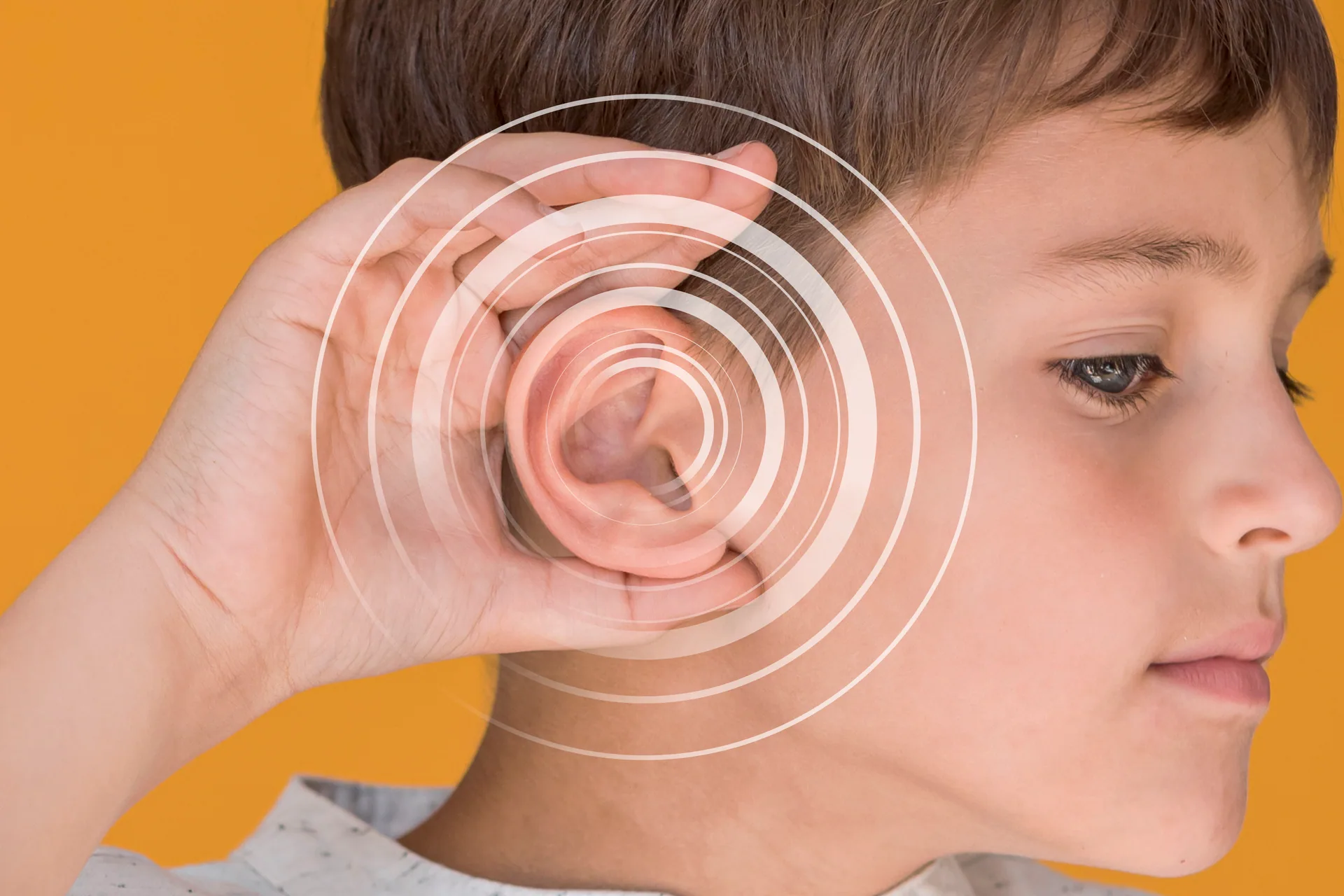
Hearing results: ask what they show for your child
Hearing results can help establish whether middle-ear fluid is affecting listening. Age-appropriate audiology and tests of middle-ear function provide different information. Ask how the findings relate to the child’s observed difficulties.
Bring observations from home and school, including repeated questions, missed instructions or problems in noisy settings. These help describe function, but they do not diagnose the cause by themselves.
The hearing test guide explains testing and result questions. If hearing concerns remain after the ear condition improves, further assessment may still be needed.
Fluid behind the eardrum: establish persistence and effect
Fluid behind the eardrum can cause fluctuating hearing and may resolve without an operation. The duration, whether one or both ears are involved and the effect on the child all matter.
Ask how long the fluid appears to have been present and what supports that conclusion. A single blocked-ear complaint does not establish a persistent middle-ear condition. Relevant examination and earlier reports provide context.
The Royal Children’s Hospital explains middle-ear fluid. It supports a discussion about your child rather than a decision based only on a general description.
Observation period: know what would change the decision
An observation period may be reasonable when the findings support waiting with review. Ask how hearing and symptoms will be monitored, when the next assessment is planned and which changes would prompt earlier attention.
Waiting should not mean leaving communication difficulties unsupported. Ask about practical steps at home and school, and whether any additional professional input is appropriate for the child’s needs.
Some children have developmental or health circumstances that affect the balance. Tell the clinician about those needs so the decision does not rely on a generic waiting rule.
Infection history: bring a record rather than a rough impression
Infection history is useful when it describes the episodes, findings, treatment and recovery between them. Note pain, fever, discharge and whether a clinician examined the ear during each significant illness.
Ask whether the concern is repeated acute infections, persistent fluid or another ear condition. These can require different management discussions. Grommets do not guarantee that a child will never have another infection.
The ear infection guide explains why the affected part of the ear matters. Do not use leftover antibiotics or drops while waiting for review without advice.
Expected benefit: make the goal specific and realistic
Expected benefit should relate to the child’s findings and daily needs. Ask what change the clinician anticipates, how likely it is to matter and how it will be checked. Improved ventilation is not the same as a guaranteed developmental outcome.
Speech and communication concerns can have several contributors. If additional support is needed, it may still be appropriate before or after an operation. Do not assume that grommets will automatically resolve every speech, behaviour or school concern.
Ask what could happen without surgery and what benefit observation or another approach might offer. The comparison should be between reasonable choices for your child.
What to understand before consenting to grommets
Before consenting to grommets, understand the procedure, general anaesthetic, material risks and aftercare. Ventilation tubes are placed through the eardrum and usually come out over time, but the individual course varies.
Discuss discharge, blockage, a persistent perforation and the possibility of repeat treatment before consent. If adenoids are also proposed for removal, ask why that separate component is relevant; see adenoidectomy.
The grommet surgery guide and patient information page provide further preparation questions. Your treating team should give the instructions for your child’s actual procedure.
Questions about deciding about grommets
Do hearing results alone decide the operation?+
Hearing results do not decide the operation alone. They are interpreted with the examination, persistence and effect on the child.
Does fluid behind the eardrum always need surgery?+
Fluid behind the eardrum does not always need surgery. Observation may be appropriate depending on the pattern and functional impact.
How long should an observation period last?+
An observation period should be set by the treating clinician for the child’s circumstances. Ask for the review timing and the changes that would bring it forward.
Does infection history need written records?+
Infection history is helped by available records, but parents can also describe the pattern clearly. Bring treatment names and earlier reports without delaying assessment to collect every document.
Does expected benefit include guaranteed speech improvement?+
Expected benefit does not include a guaranteed speech improvement. Ask how hearing and development are being assessed and whether other support is needed.
Does my child need grommets if they hear well sometimes?+
Whether your child needs grommets still requires assessment when hearing fluctuates. Occasional good listening does not establish that persistent fluid has no effect.
Can the recommendation change when grommets are considered at review?+
Whether your child needs grommets can change as fluid, hearing and daily effects change. That is why reassessment and a clear treatment goal matter.
Who checks the result when grommets are considered and chosen?+
When grommets are considered and chosen, the treating service should explain who reviews the ears and hearing afterwards. Confirm the appointment and testing arrangements before treatment.
Keep deciding about grommets connected to your child's needs
Keep deciding about grommets connected to the evidence and daily effects. Bring hearing reports, describe the concerns and ask how the proposed choice will be checked over time.
Start with a conversation.
Send a non-urgent enquiry about arranging a visit. Keep detailed health information and medical records for your consultation.
- 01
Tell us what brings you here
Choose an area of care and leave your contact details.
- 02
Confirm the practical details
Check the location, appointment fee and referral requirements with the practice.
- 03
Prepare for your consultation
Bring relevant reports, medicines and the questions you want to ask.